Source Waterproof Lithium Calcium Grease for Marine, Automotive, Construction
Compare 30 listings of waterproof lithium calcium grease suitable for marine, automotive, and construction applications. Buyers can evaluate specifications like NLGI grade, base oil composition, and packaging options from verified Chinese manufacturers offering OEM services; compare the available evidence and request quotations based on your requirements.
Key considerations
Products List




Comprehensive Sourcing Guide
Waterproof Lithium Calcium Grease Sourcing Guide
Buyers must first distinguish between single-base and composite formulations when evaluating waterproof lithium calcium grease, as the supplied data indicates a specific composition of base oil, thickener, and additives. The observed product attributes confirm that these greases are available in semi-solid shapes with NLGI grades 2 and 3, which are critical for determining the consistency required for specific bearing applications. Procurement teams should verify that the thickener system provides the necessary water resistance, as the listings explicitly identify this as a primary property for marine and industrial environments.
The application scope for these lubricants is broad, covering marine, construction, automotive, and agricultural sectors, which necessitates a flexible sourcing strategy. While some listings highlight a specific mineral lubricant source, others emphasize a composite structure designed for high and low-temperature performance. Buyers should ensure that the selected product matches the operational temperature range of their machinery, as the observed data suggests variations in texture ranging from buttery to long-fiber consistency, which directly impacts pumpability and film strength in different equipment types.
Product Scope and Observed Listing Signals
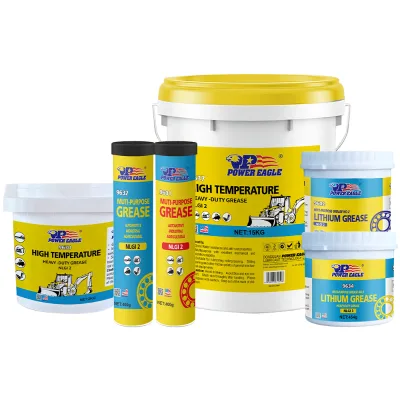
The market listings reveal a significant variance in packaging formats, ranging from 15kg barrels and drums to 180kg metal drums and plastic pails. This diversity in packaging, including options like buckets, bags, and spring tubes, allows buyers to align procurement with their storage infrastructure and dispensing methods. However, the inconsistency in standard weights, such as the 15kg standard versus the 18kg plastic pail, requires careful verification to avoid logistical errors during inbound shipping and warehouse management.
Lead times and delivery schedules observed in the data vary between 10 to 15 days, indicating a need for precise planning in supply chain coordination. The presence of sample availability suggests that buyers should prioritize testing before committing to large orders, especially given the wide range of minimum order quantities observed from 1000kg to 7200kg. Understanding these commercial signals helps procurement teams negotiate terms that balance inventory costs with the flexibility needed to adapt to fluctuating production demands in sectors like mining and industrial machinery.
Technical Specifications to Verify
Verifying the NLGI grade is essential, as the observed data points to grades 2 and 3, which dictate the grease's flow characteristics under load. Buyers must confirm that the specific texture, whether described as buttery or long-fiber, aligns with the mechanical requirements of their bearings and gears. The composition of base oil combined with thickener and additives must be validated to ensure the grease maintains its structural integrity under the shear forces typical in automotive and marine applications.
Waterproof performance is a critical technical attribute, yet the specific test methods and resistance levels are not universally defined in the provided listings. Procurement teams should request detailed technical data sheets that confirm the grease's ability to resist washout in wet environments, a key requirement for marine and construction equipment. Additionally, the color variations observed, including white and yellow, may indicate different additive packages or base oil types, necessitating a review of the chemical composition to ensure compatibility with existing lubrication systems.
Compliance and Safety Documentation
Certification status is a primary indicator of quality assurance, with ISO 9001 appearing as a standard requirement in the observed product listings. Buyers should verify that the supplier maintains this certification throughout the production cycle to ensure consistent manufacturing processes. While some listings mention Acea and SAE certifications, these are often specific to automotive applications, so procurement teams must confirm that the relevant standards apply to the specific end-use environment of the purchased grease.
Safety documentation must include Material Safety Data Sheets (MSDS) that detail the handling requirements for liquid mineral lubricants and semi-solid greases. The origin of the product, frequently listed as China or specific regions like Puyang, requires verification of export compliance and adherence to international safety standards. Buyers should ensure that the supplier provides clear documentation regarding the chemical composition, particularly the thickener and additive types, to facilitate safe storage and disposal in accordance with local environmental regulations.
Cost Drivers and Commercial Terms
The minimum order quantity (MOQ) presents a significant variable in cost planning, with observed ranges spanning from 1000kg to 2000kg and up to 7200kg for certain suppliers. This wide disparity means that buyers must carefully assess their consumption rates to avoid overstocking or incurring excessive shipping costs per unit. The capacity of suppliers, noted as up to 100,000 tons per year, suggests that larger orders may yield better pricing, but this must be balanced against the buyer's storage capabilities and cash flow constraints.
Pricing structures are influenced by the complexity of the formulation, including the specific base oil and additive packages used to achieve waterproof properties. The observed price range of 0.8 to 2000 USD reflects the diversity in product types, from standard industrial greases to specialized high-performance variants. Buyers should negotiate based on the total cost of ownership, considering factors like delivery lead times and the availability of OEM or ODM services, which can add value through custom packaging or formulation adjustments.
Supplier Qualification and Quality Control
Supplier qualification should extend beyond basic certifications to include an assessment of their customization capabilities, which are explicitly listed as available in the market data. Buyers should evaluate the supplier's ability to provide samples and adjust formulations to meet specific application needs, such as the unique demands of mining or agricultural machinery. The presence of OEM and ODM services indicates a level of flexibility that can be crucial for maintaining a competitive edge in specialized industrial sectors.
Quality control processes must be rigorously audited to ensure that the semi-solid grease meets the specified NLGI grades and waterproof properties consistently. The variation in product models, such as A1, Xinye, and LT-6000, suggests that buyers need a robust system to track and verify the specific batch characteristics. Regular audits of the production facility, particularly in regions like Zhongguo or Puyang, can help ensure that the manufacturing standards align with the buyer's quality expectations and that the final product performs reliably in the field.
Long-Term Procurement Checks
Establishing a long-term relationship with suppliers requires a commitment to regular performance reviews and quality audits. Buyers should implement a system to track the consistency of the grease's properties, such as its color, texture, and waterproofing capabilities, over multiple production cycles. The observed data indicates that while many suppliers offer standard models, the specific performance characteristics can vary, making continuous monitoring essential for maintaining operational reliability in critical applications.
Future procurement strategies should account for the evolving needs of industries like marine and automotive, which may demand higher performance standards or new formulations. Buyers should maintain open communication with suppliers regarding potential changes in raw material availability, such as base oil sources, which could impact the final product composition. By staying informed about industry trends and supplier capabilities, procurement teams can ensure a stable supply chain that supports the long-term operational goals of their organization.
FAQs
What is the composition of waterproof lithium calcium grease?
The product is composed of base oil, thickener, and additives to ensure stability. It features a semi-solid shape and is available in white or yellow colors. The texture ranges from buttery to long fiber, providing reliable lubrication for various industrial applications while maintaining water resistance.
Can this grease be customized for specific industrial needs?
Yes, customization is available to meet specific requirements. Suppliers offer OEM and ODM services, allowing for tailored solutions. The product supports various applications including marine, construction, automotive, and agriculture sectors, ensuring that the lubricant meets the precise operational demands of different machinery and environments.
What certifications does the waterproof lithium calcium grease hold?
The grease holds ISO 9001 certification, ensuring quality management standards are met. Additional certifications include Acea and SAE, which validate its performance in automotive and industrial contexts. These credentials confirm the product's reliability and compliance with international standards for lubricating greases used in demanding conditions.
What are the packaging options for this lubricating grease?
Packaging options include drums, buckets, bags, cartons, and plastic pails. Specific sizes like 15kg barrels, 18kg plastic pails, and 180kg metal drums are available. Some suppliers offer adjustable packaging to suit different logistical needs, ensuring safe transport and storage for the semi-solid grease in various industrial settings.
What is the typical lead time for delivery?
The typical delivery lead time ranges from 10 to 15 days. This timeframe allows for efficient processing and shipping of the lubricating grease. Buyers should confirm specific schedules with suppliers, as lead times may vary based on order volume and customization requirements, ensuring timely availability for production needs.
What is the minimum order quantity for this grease?
The minimum order quantity varies, with some listings requiring 1000kg or 2000kg. Other sources may accept lower quantities starting from 1kg. Buyers should verify the specific MOQ with the supplier, as it depends on the packaging type and whether the order requires customization or standard OEM specifications.